18 Oct 2026
Networking Suppliers Transform Compliance in Austria's Temporary Gaming Events
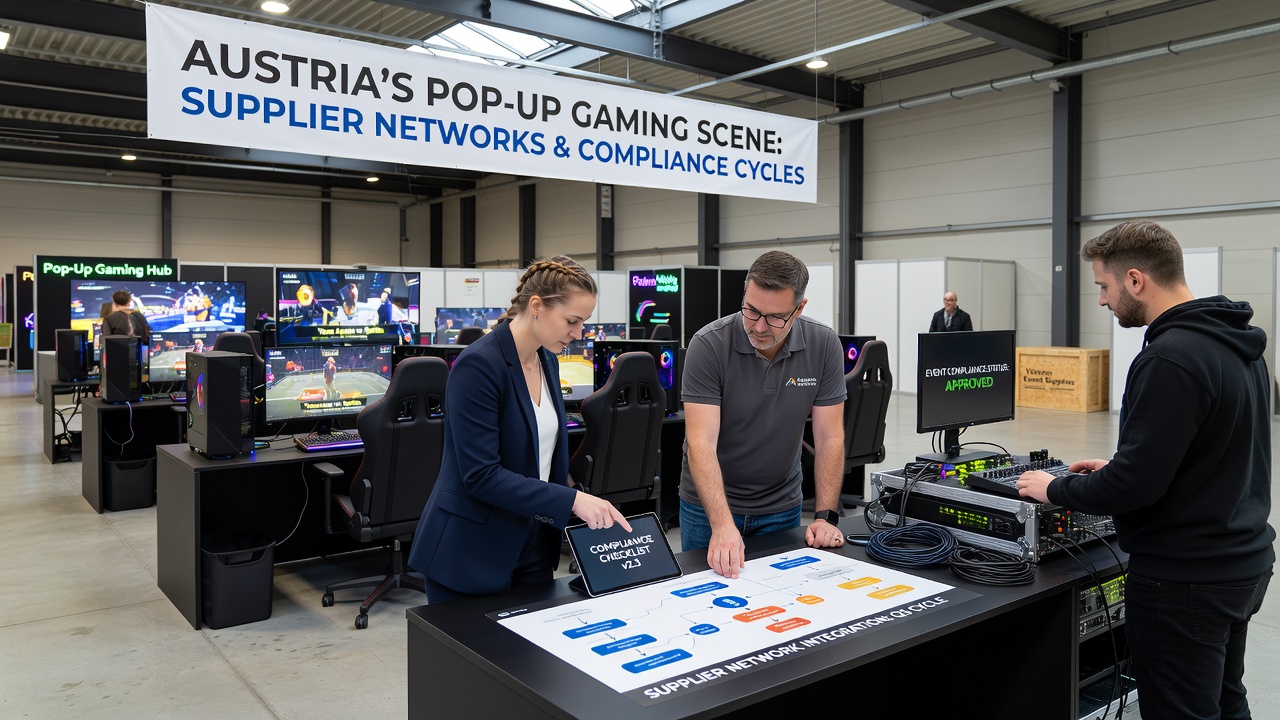
Supplier networks in Austria coordinate closely with event organizers to align temporary gaming installations with regulatory requirements, and this coordination creates structured compliance cycles that repeat across different venues and seasons. Data from industry reports shows these networks handle licensing checks, equipment certifications, and scheduling adjustments in sequences that reduce delays during peak periods. Observers note that the connections between rental providers, logistics firms, and local authorities determine how quickly events move from planning to approval stages.
Mapping the Supplier Ecosystem
Multiple companies form interconnected chains where one handles table deliveries while another manages software compliance for gaming terminals, and together they maintain records that satisfy Austrian gaming authorities. Research indicates these relationships often span years, allowing partners to share updated guidelines on safety standards and reporting formats without starting from scratch each time. Those who've studied the sector find that smaller suppliers gain access to larger contracts through referrals within the network, which in turn speeds up the verification process for new installations.
Key Compliance Stages Driven by Networks
Initial assessments begin with site evaluations conducted jointly by suppliers and organizers, followed by document submissions that include technical specifications and insurance proofs, while subsequent audits verify that all elements meet current rules. Figures reveal that networks using shared digital platforms cut the average approval time by coordinating revisions in real time rather than through sequential handoffs. And when a supplier identifies a potential issue with electrical setups or crowd flow, the information travels quickly to the rest of the chain so adjustments happen before formal inspections occur.
Events scheduled for October 2026 already show early coordination patterns where suppliers reserve equipment inventories and align calendars with municipal permitting offices months in advance. This forward planning stems from patterns observed in prior years when last-minute changes created bottlenecks, so networks now build buffer periods into their cycles. Evidence suggests that regions with denser supplier clusters complete compliance steps faster than isolated areas because local knowledge about specific venue quirks gets passed along informally.
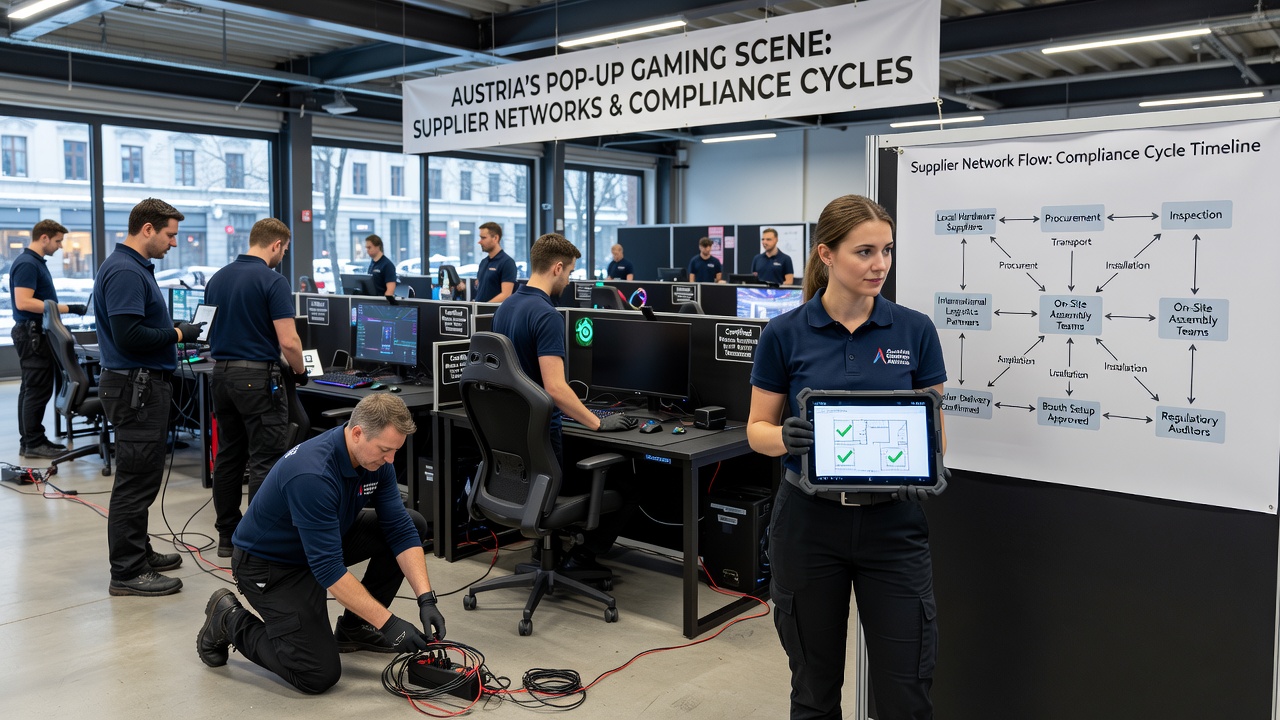
Regional Variations and Data Patterns
Urban centers like Vienna demonstrate tighter integration among suppliers compared with rural locations, where travel distances extend the time between equipment checks and final sign-offs. According to records maintained by the Austrian Federal Ministry of Finance, temporary gaming permits issued in 2025 followed predictable quarterly rhythms tied to supplier availability rather than demand spikes alone. What's interesting is how these rhythms allow organizers to predict staffing needs and training sessions well before events launch.
One study from European gaming research groups found that networks incorporating third-party inspectors reduce repeat compliance failures by addressing technical gaps during early coordination meetings. But here's the thing: smaller events sometimes bypass full network involvement and rely on single providers, which lengthens their approval timelines when additional certifications become necessary. Data shows this approach works for low-complexity setups yet creates friction when multiple equipment types enter the picture.
Planning Cycles and Future Outlook
Annual planning cycles now incorporate supplier feedback loops where performance metrics from past events inform adjustments to upcoming compliance checklists. Researchers discovered that these loops help standardize documentation across different regions, even as local rules vary slightly. People who track the sector observe that October 2026 bookings already reflect increased use of shared compliance software that flags missing items before submissions reach authorities.
Industry associations in other regions, such as those referenced in reports from the Canadian regulatory frameworks, highlight similar network-driven efficiencies that Austria appears to be adopting at scale. And while each event still requires individual verification, the accumulated experience within supplier groups shortens the learning curve for new participants entering the market.
Conclusion
Supplier networks continue to define the pace and reliability of compliance cycles for Austria's pop-up gaming events through coordinated logistics, shared knowledge, and proactive scheduling. Patterns established in recent years point toward greater standardization as more partners adopt joint tools and forward planning methods. Those monitoring developments note that the structure these networks provide supports consistent event delivery across varying locations and timelines.